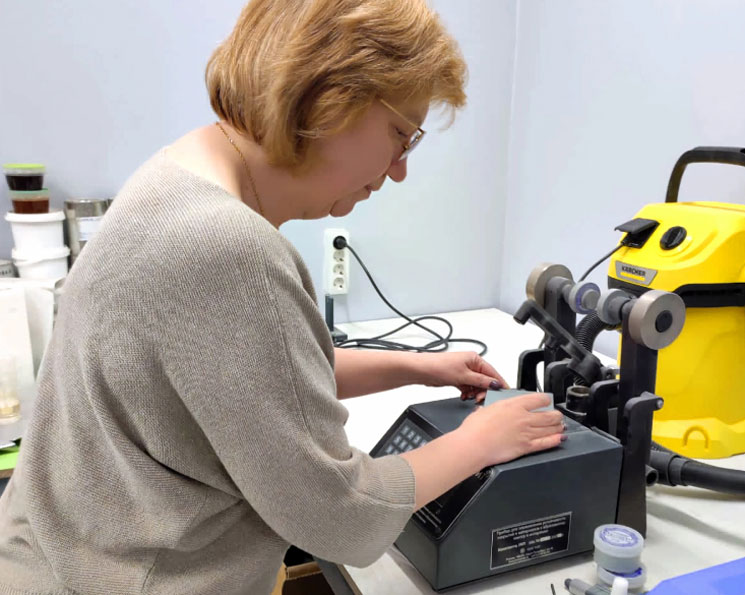
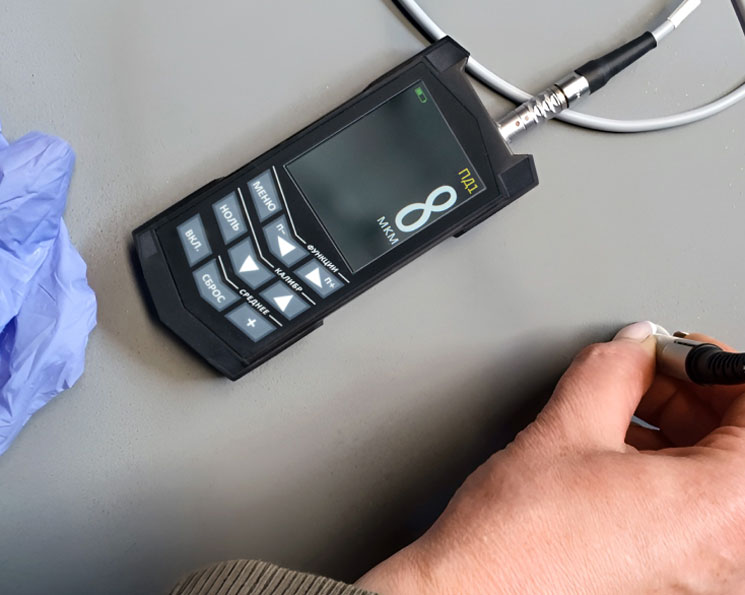
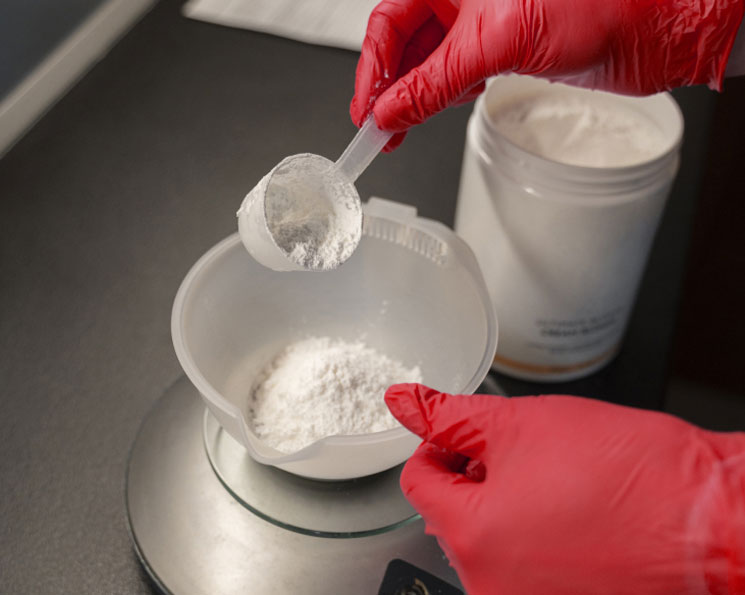
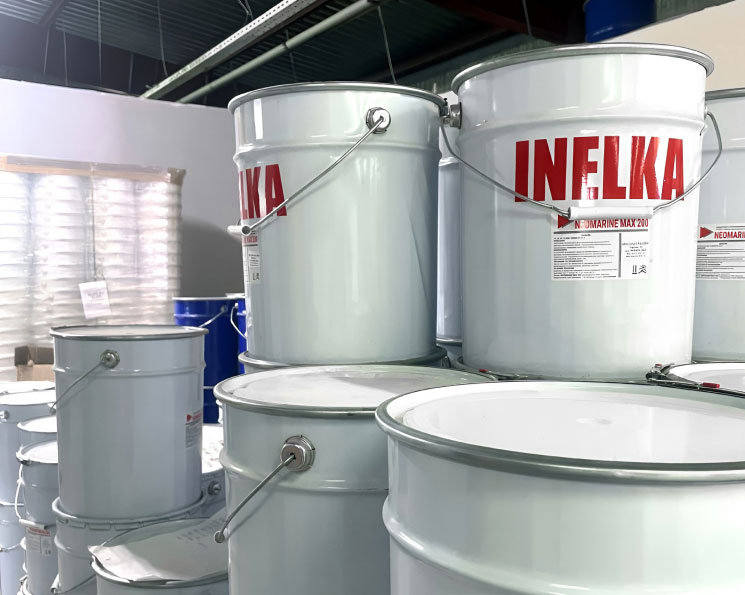
В современном мире время, которое отводится на разработку нового продукта,
очень ограничено. Поэтому мы стараемся оснащать лабораторию приборами,
ускоряющими темп разработок и производящими максимально качественный
анализ полученных свойств новых продуктов.
Современное приборное оснащение плюс талантливые химики есть основа
высокого качества наших материалов.
Www Gasti Rape Mazacom Portable -
At the heart of every successful awareness campaign—whether for domestic violence, cancer screening, mental health, human trafficking, or sexual assault—lies a single, pulsing engine: the survivor story.
Awareness campaigns that ignore this do so at their peril. A billboard that reads "30% of women experience X" is easily dismissed by the subconscious as someone else’s problem . A video of a specific woman—say, "Maria, 34, a teacher from Ohio"—saying "I didn't think it could happen to me, until it did," shatters that psychological barrier. Suddenly, the issue is not a statistic; it is a possibility. Historically, early awareness campaigns (think 1980s PSA aesthetics) used "poverty porn" or "trauma porn." They showed survivors weeping in shadows, speaking in whispers, or depicted as broken vessels. The intention was to evoke pity. The result was disempowerment.
In the landscape of modern advocacy, data is often hailed as the king of persuasion. We are told that policymakers respond to hard numbers, that donors are moved by infographics, and that societal change requires measurable KPIs. But ask any veteran activist, and they will tell you a different truth: Statistics save budgets, but stories save lives.
This is called "transportation theory." A compelling survivor story transports the audience out of their defensive posture. They stop asking "Is this true?" and start asking "What would I do?"
At the heart of every successful awareness campaign—whether for domestic violence, cancer screening, mental health, human trafficking, or sexual assault—lies a single, pulsing engine: the survivor story.
Awareness campaigns that ignore this do so at their peril. A billboard that reads "30% of women experience X" is easily dismissed by the subconscious as someone else’s problem . A video of a specific woman—say, "Maria, 34, a teacher from Ohio"—saying "I didn't think it could happen to me, until it did," shatters that psychological barrier. Suddenly, the issue is not a statistic; it is a possibility. Historically, early awareness campaigns (think 1980s PSA aesthetics) used "poverty porn" or "trauma porn." They showed survivors weeping in shadows, speaking in whispers, or depicted as broken vessels. The intention was to evoke pity. The result was disempowerment.
In the landscape of modern advocacy, data is often hailed as the king of persuasion. We are told that policymakers respond to hard numbers, that donors are moved by infographics, and that societal change requires measurable KPIs. But ask any veteran activist, and they will tell you a different truth: Statistics save budgets, but stories save lives.
This is called "transportation theory." A compelling survivor story transports the audience out of their defensive posture. They stop asking "Is this true?" and start asking "What would I do?"