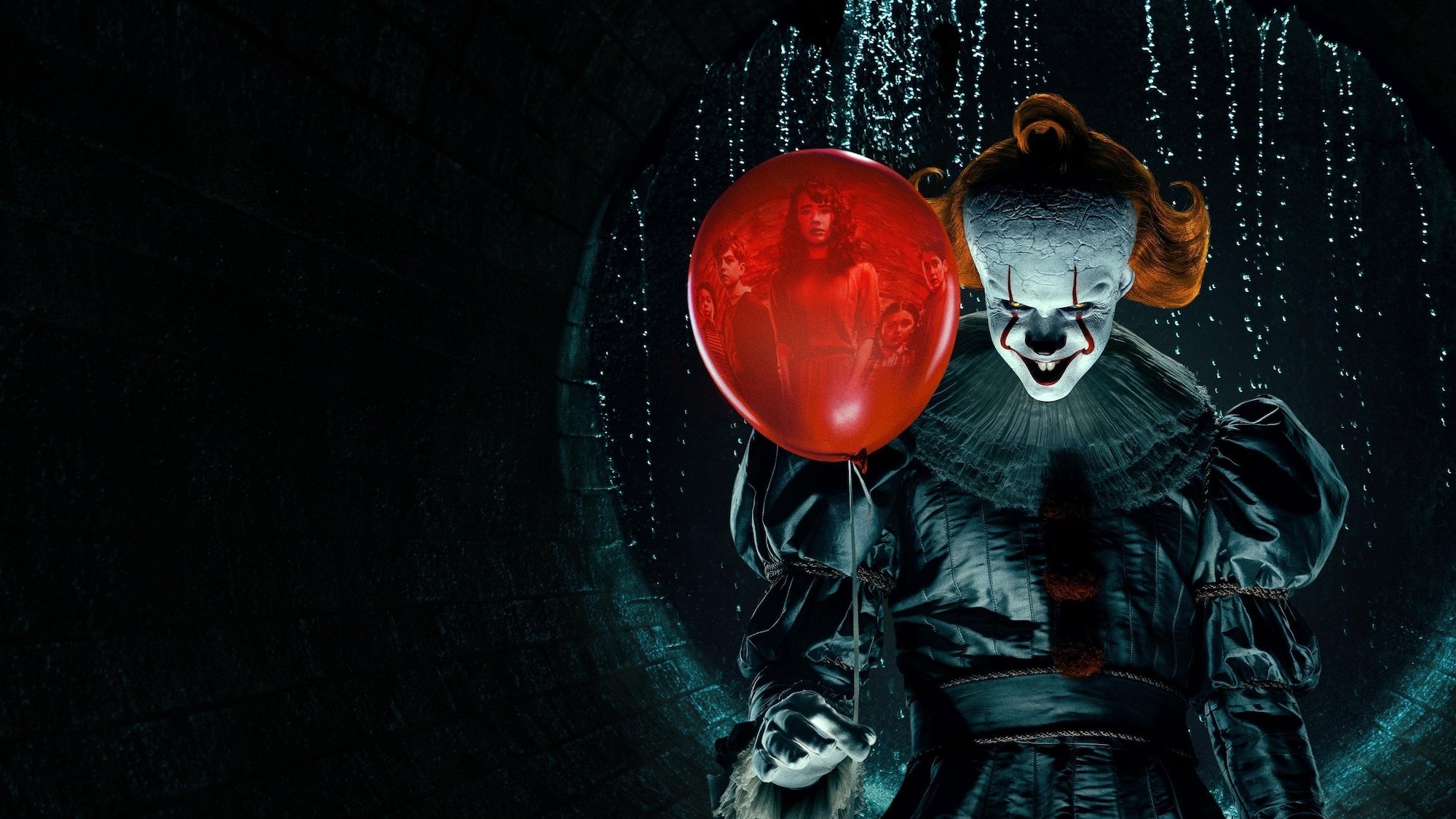
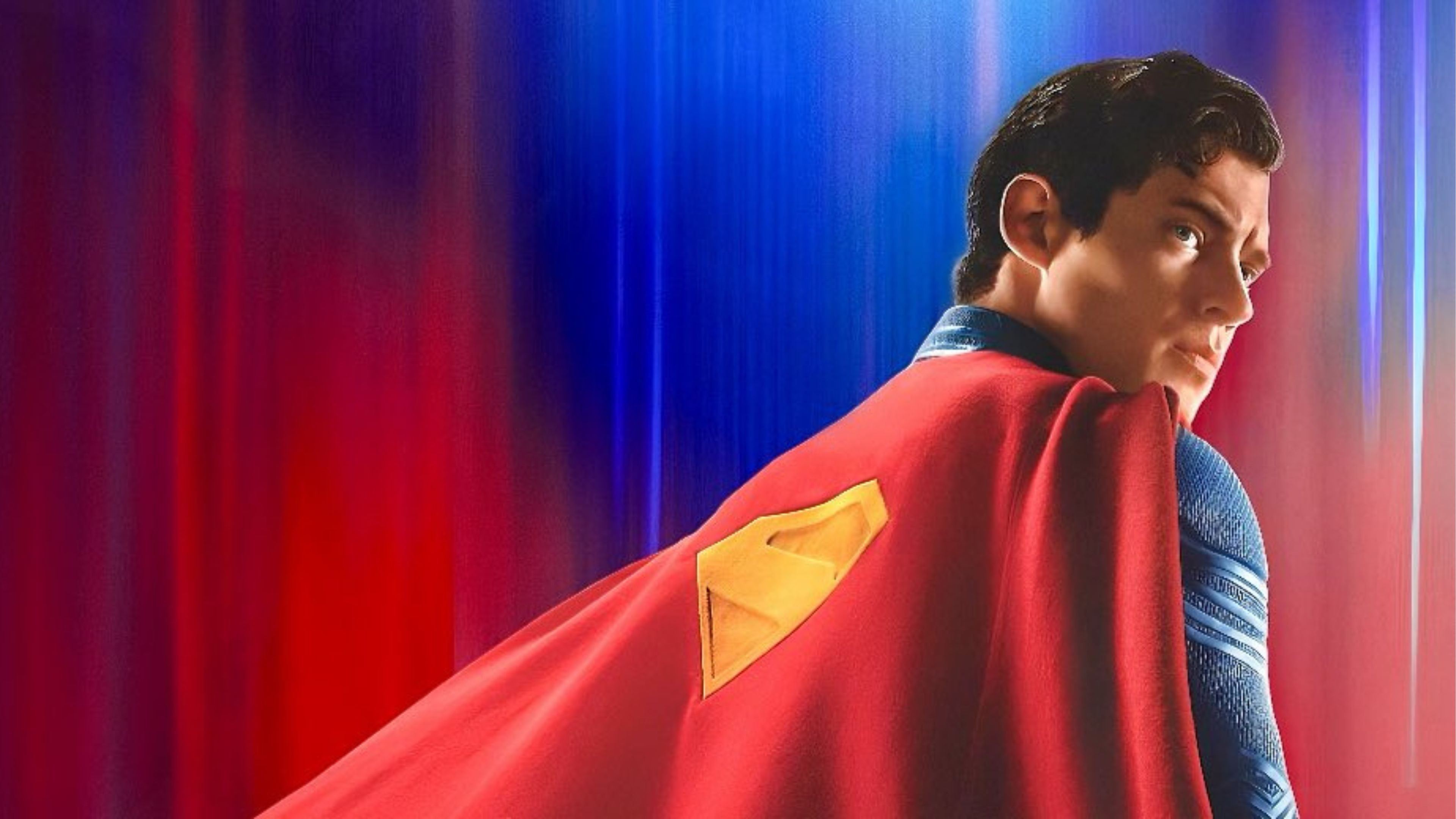
From the algorithmic churn of TikTok to the cinematic universes of Marvel, from true crime podcasts to the parasocial relationships fostered by Twitch streamers, the landscape of popular media has fragmented into a billion shards. Understanding this ecosystem is no longer a luxury for critics; it is a necessity for anyone hoping to navigate modern life. To understand where we are, we must look at where we came from. For most of the 20th century, popular media was a monoculture. Three television networks, a handful of movie studios, and a few major record labels dictated what was popular. If you wanted to be part of the national conversation, you watched M A S H*, listened to Michael Jackson, or read Stephen King.
In the battle for your attention, the algorithm is the weapon, but your focus is the shield. Choose wisely. Dive deep into the evolution of entertainment content and popular media. From algorithms and parasocial relationships to the rise of AI and fandoms, explore how streaming, TikTok, and niche culture define how we consume stories today.
This fragmentation has broken the shared reality. A teenager obsessed with anime vtubers and a retiree obsessed with Fox News live in different media universes. They speak different reference languages. The result is a culture that is richer in variety but poorer in common ground. Perhaps the most significant shift in entertainment content is the demotion of the human executive and the promotion of the algorithm. In the old Hollywood system, a studio head like Louis B. Mayer or a showrunner like Aaron Sorkin decided what you saw. They were flawed, often bigoted, but they were human. They curated.
Today, the monopoly is dead. The rise of streaming services (Netflix, Disney+, Max, Amazon Prime) and social platforms (YouTube, TikTok) has ushered in the era of the "Long Tail." Consumers are no longer forced to like what everyone else likes. Instead, algorithms curate hyper-specific niches.
Soon, you will not watch a movie made by Netflix. You will watch a movie generated by your personal AI, starring a digital twin of Brad Pitt from 1994, in a genre blend of "noir western rom-com." While that future is likely dystopian for human artists, it is the logical conclusion of the Long Tail algorithm. Why should millions of people watch the same thing, when every individual can watch their own perfect thing?