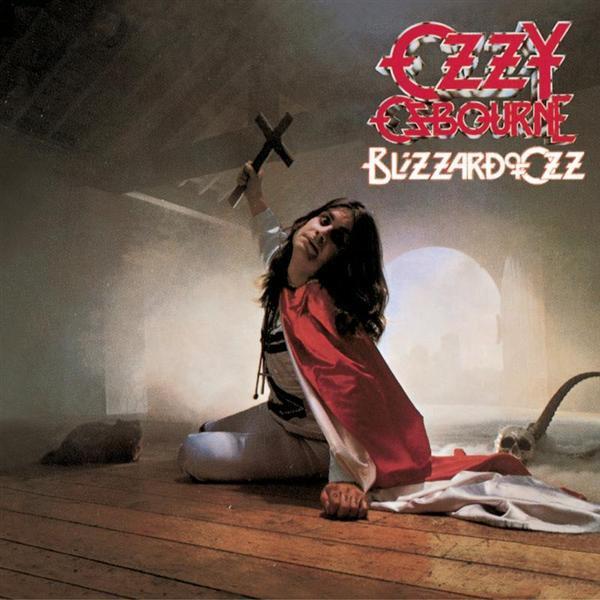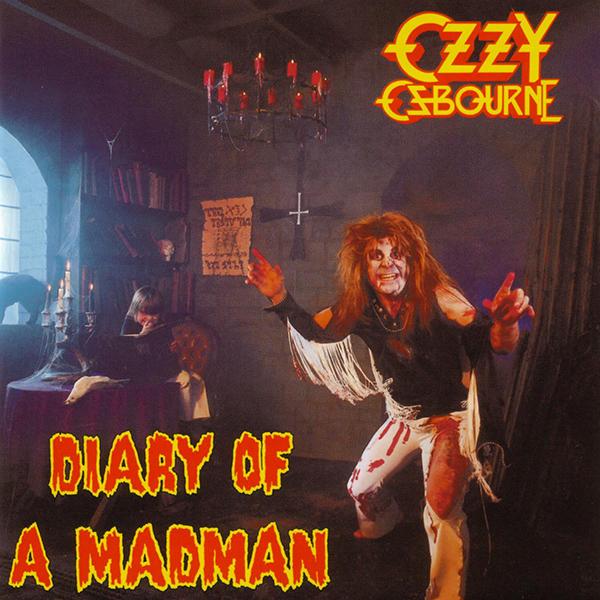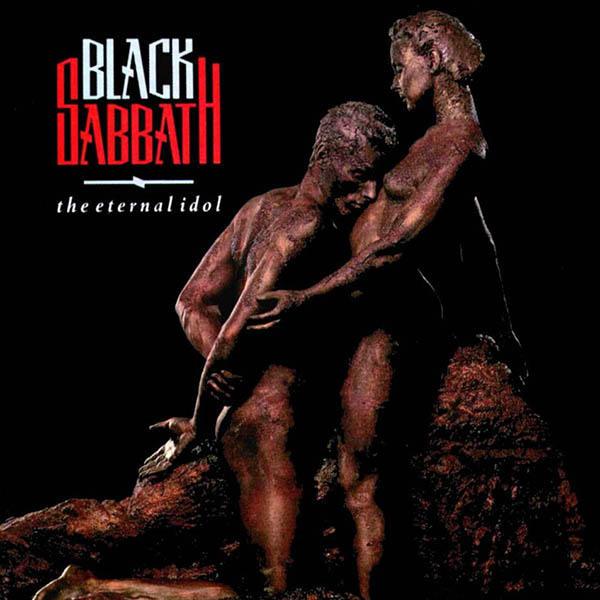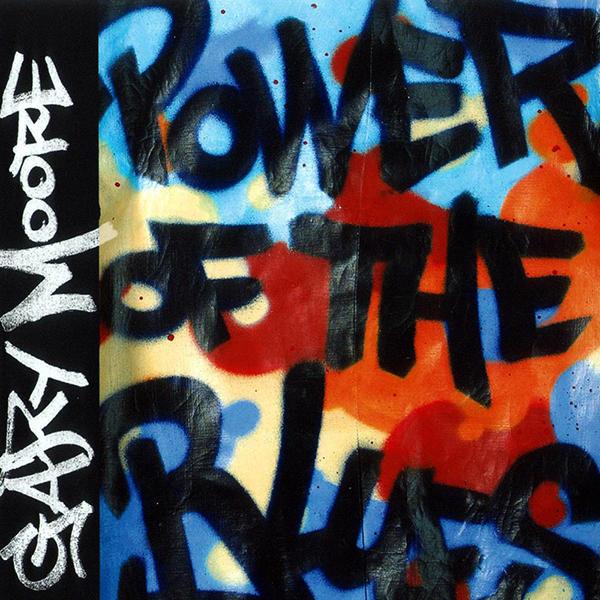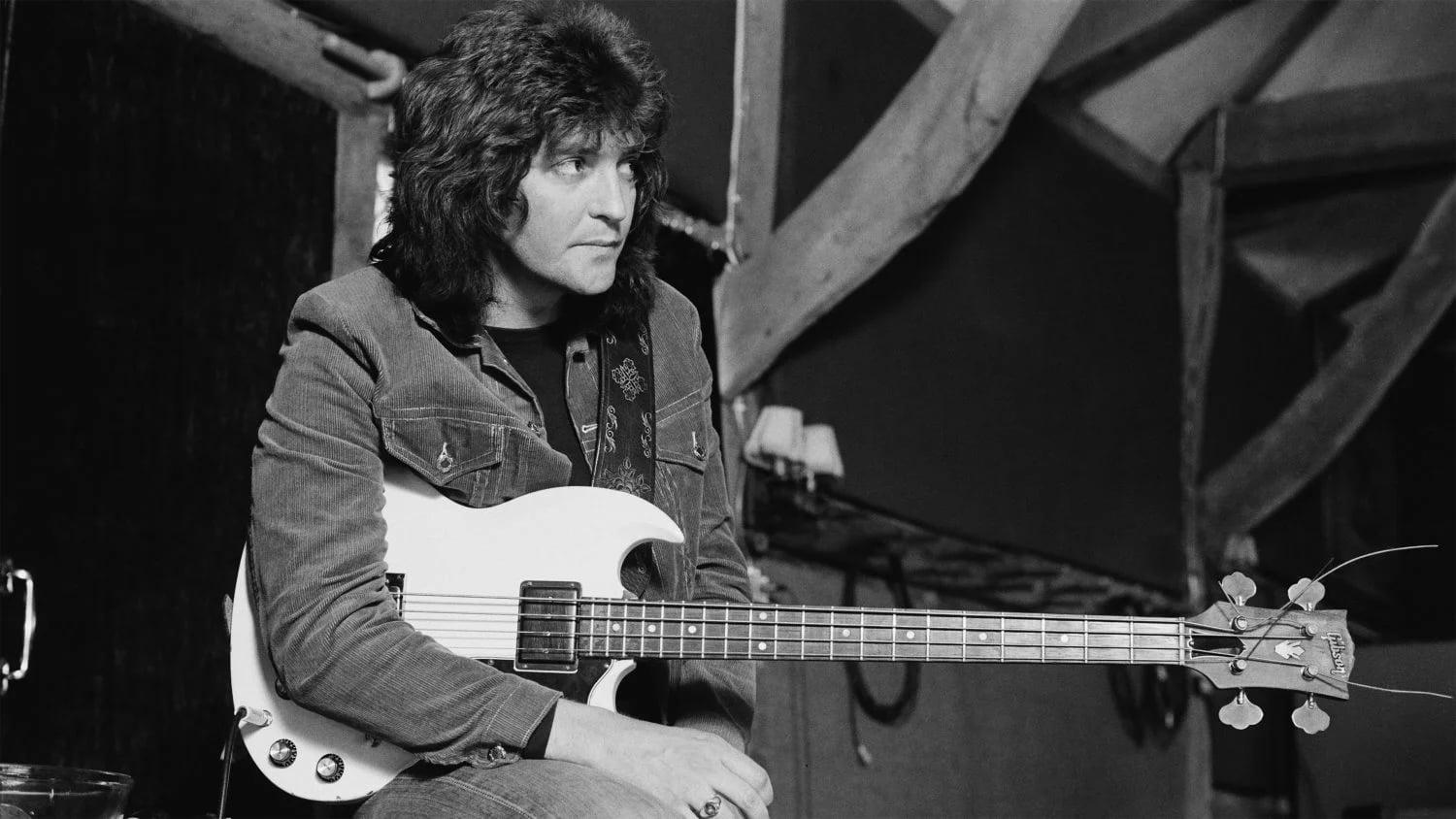
From blues and metal to ballads and progressive rock, Bob has done it all with the biggest names in the music business. As an in-demand session player, his talents have taken him all over the world. But it wasn’t always that way. Everyone starts out somewhere, and for Bob Daisley that was Sydney, Australia.
In this article, we will explore the core philosophy behind the "Uphar language of mathematics," dissect the contents of the sought-after PDF, and explain why mastering this "language" is the single most effective way to excel in algebra, calculus, and beyond. First, let’s clarify the term. While "Uphar" is not a globally famous name like Euler or Pythagoras, in academic and tutoring circles, the Uphar method refers to a pedagogical approach—often encapsulated in a specific PDF or set of notes—that treats mathematics as a linguistic system. The Core Philosophy The central thesis of the Uphar language of mathematics is simple: Mathematics is not about numbers; it is about relationships expressed in a symbolic language.
By breaking down symbols into vocabulary, equations into sentences, and proofs into paragraphs, the Uphar method removes the mystique and reveals the structure. Search for the PDF, download it, annotate it, and practice it daily. uphar language of mathematics pdf
This is where the concept of the becomes a game-changer. For students, educators, and self-learners searching for the Uphar language of mathematics pdf , you are likely looking for a key—a structured, clear, and logical exposition that transforms math from a collection of arbitrary rules into a cohesive language. In this article, we will explore the core
Remember: Call to Action: Do you have a copy of the Uphar language of mathematics pdf ? Share your experience in the comments below. For more guides on mathematical logic, symbolic reasoning, and free educational resources, subscribe to our newsletter. The Core Philosophy The central thesis of the
But what exactly is this document? Where can you find its principles? And more importantly, how can understanding mathematics as a language reshape your learning?