
 Magic all-pass filter
--- Stepmom--39-s Duty -zero Tolerance Films- 2024 Xxx ✰ [ULTIMATE]
Hollywood may still love a superhero, but the most relatable hero today is the stepparent who shows up to the soccer game knowing they are sitting in someone else’s seat, and stays anyway. That is the blended family dynamic of modern cinema: not a fairy tale, but a documentary of survival. Further viewing recommendations: Beginners (2011), The Kids Are All Right (2010), Love, Simon (2018), and the 2024 Sundance selection “Family Leave” (a body-swap comedy that accidentally deconstructs parental roles).
In the romantic comedy space, uses the blended premise sideways. Two overworked assistants (Zoey Deutch and Glen Powell) try to set up their bosses. However, the underlying theme is pre-blending : how do two wildly different adults (one obsessive, one chaotic) build a shared ritual? The movie cleverly shows that the micro-negotiations of a romantic relationship (Who controls the Spotify playlist? Who cooks on Thursdays?) are the exact same micro-negotiations of a stepparent trying to find a role in an existing family hierarchy.
The 2023 sports dramedy flips the script by making the child the architect of the blend. Without spoiling, the film uses the structure of a love triangle to explore how a teenage girl intellectualizes the creation of a new family unit. It asks: Can you algorithmically design love between stepparents and stepsiblings? The answer, interestingly, is no—territory is emotional, not logical. --- Stepmom--39-s Duty -Zero Tolerance Films- 2024 XXX
However, the most visceral depiction of territorial warfare in recent memory comes from the horror genre, specifically . While allegorical, Jordan Peele’s film uses the Adelaide family as a metaphor for the "fractured self." When the Tethered (the doppelgängers) invade the home, they are literally the rejected, buried parts of the family’s identity. For blended families, this resonates: the "step" identity is often treated as a stranger in the basement of the family psyche. The horror of Us is the horror of realizing that the person you pushed out (the ex, the absent bioparent, the previous family structure) is never truly gone—they are just waiting in the driveway. Part III: Slow Burn, Not Instant Love (The Reframing of Romance) The most toxic trope of 20th-century blended family films was the "Instant Cure" romance. Think The Sound of Music : Maria arrives, sings a song, and the children instantly adore her. Modern cinema has violently rejected this fairy tale.
Perhaps the most mature portrayal appears in the 2022 independent film . While ostensibly about a father and daughter on vacation, the film’s haunting final act reveals that the mother has remarried. The "stepfather" is never a villain. He is a kind, silent presence seen in brief flashes of the daughter’s adulthood. Aftersun suggests that the ultimate success of a blended family is not dramatic harmony, but quiet acceptance . The stepfather doesn't replace the father (who has died by suicide, implied). Instead, he is present for the aftermath. He holds space. Modern cinema says: that is heroism. Case Study: The Anti-Stepmother Trend For decades, the Stepmother was the archetypal villain (Disney’s Cinderella , Snow White ). The 2020s have seen a deliberate deconstruction of this trope. Hollywood may still love a superhero, but the
In , the protagonist’s mother is divorced and dating a Black man. The film pointedly makes the new boyfriend boringly kind. The conflict is not with him, but with the protagonist's internalized racism and her fear of change. By demoting the stepfather to a non-antagonist, the film forces the audience to look elsewhere for drama.
offers a radical take. Ben (Viggo Mortensen) has raised his children in total isolation. When they are forced to integrate with their wealthy, suburban grandparents (a different kind of blend), the film shows that love is not a given. Viggo’s character is the "stepparent" to society at large. The film argues that blending requires the death of ego. Ben has to admit his way is not the only way; the grandparents have to admit their rigidity is cruelty. The "step" relationship is forged not in a musical number, but in a painful, silent funeral scene where two systems of grief learn to stand side-by-side. In the romantic comedy space, uses the blended
Films like The Edge of Seventeen , Instant Family , and Aftersun succeed because they validate the audience's real experience: that loving a stepchild is the hardest, most thankless, and most radical act of modern love. And that being a stepchild who decides to love back is an act of profound courage.
Different looks?
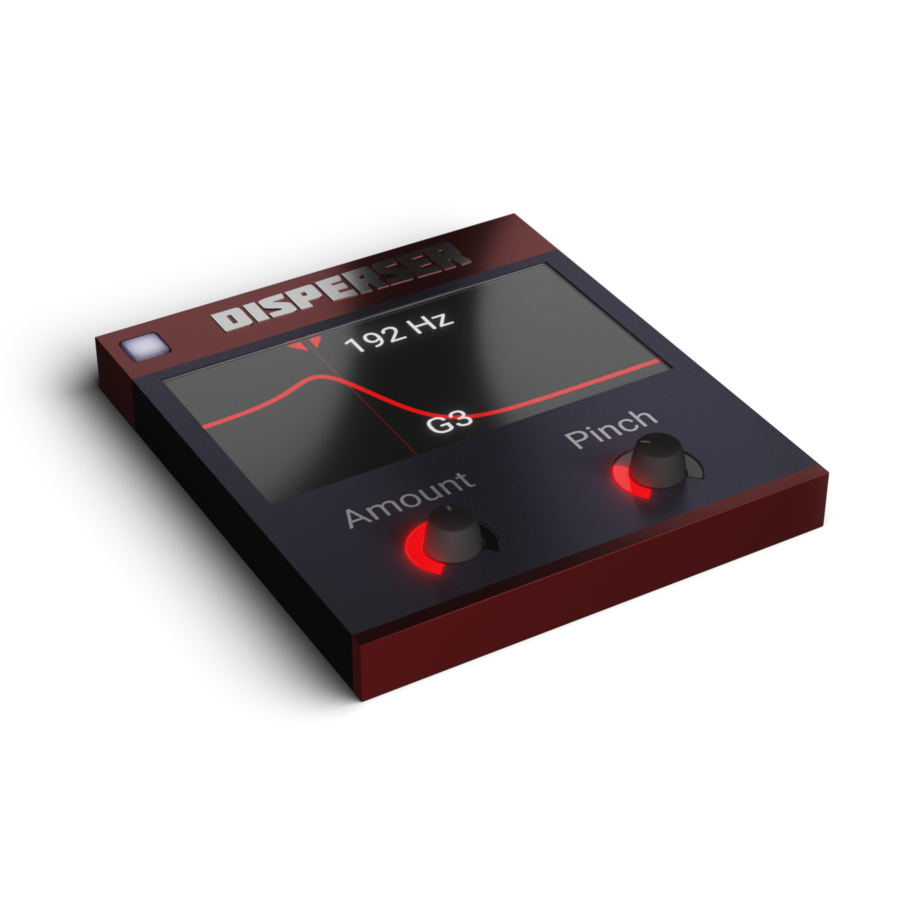
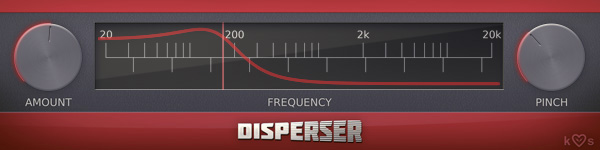
When you add Disperser to any track in your DAW on it's own, it will have it's original appearance.
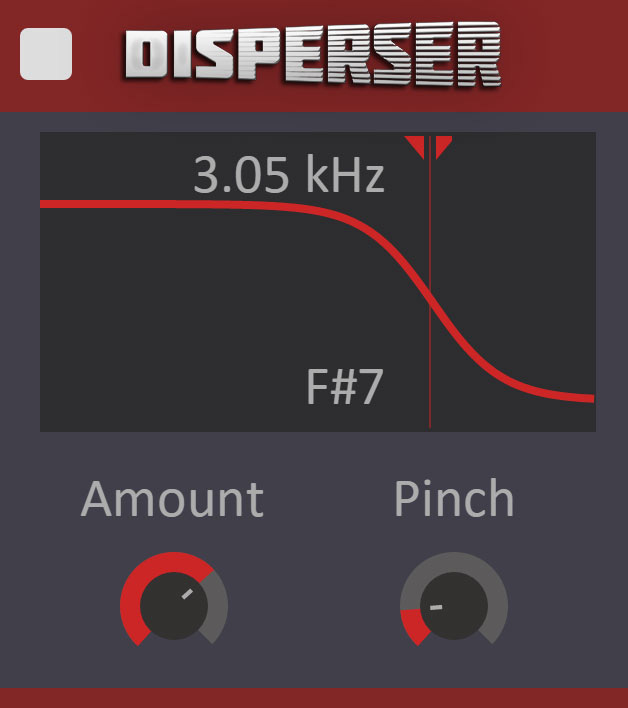
When we created the snapin system with it's hosts we had to make a way for it to fit there. So that's why it has a snapin-appearance too. But don't worry, all the same controls appear in both looks!
--- Stepmom--39-s Duty -zero Tolerance Films- 2024 Xxx ✰ [ULTIMATE]
Frequency
Adjusts the cutoff frequency of the filter. Simply click and drag the vertical line in the frequency window.
Amount
Adjusts how pronounced the effect is by increasing the order of the all-pass filter.
Pinch
Adjusts the Q setting of the filter, which will have the effect of concentrating the delay around the cutoff.
--- Stepmom--39-s Duty -zero Tolerance Films- 2024 Xxx ✰ [ULTIMATE]



Disperser is one of those plugins that does something you probably didn't think was possible, until you hear it.
What we love so much about Disperser is the fact that it can really give that extra power to basslines, to give that extra impact that we think is not possible with just boosting the lows with a standard EQ.
It's like audio monosodium-glutamate!

--- Stepmom--39-s Duty -zero Tolerance Films- 2024 Xxx ✰ [ULTIMATE]
Subscribe to Own
All our plugins and Content Banks are included in the Kilohearts Subscription. The subscription also gives you instant access to all new releases as soon as they are available.
For every 12 months you subscribe, you'll also get a $100 in Subscriber Rewards to put towards permanent licenses for any of our products.

Resources
System requirementsManual
All Products
Join the community
Facebook GroupDiscord Chat