Seks- Rogol- Melayu- Budak Sekolah- 3gp- Mp4- » (TESTED)
Teen suicide rates and mental health issues among students have risen sharply, prompting schools to introduce Program Pembimbing Rakan Sebaya (Peer Counselor Programs) and Hari Kesihatan Mental (Mental Health Days). The conversation is slowly shifting from "How many A’s did you get?" to "Are you okay?" The role of the Cikgu (Teacher) in Malaysian culture is one of quasi-parental authority. Corporal punishment (caning) is technically legal for specific severe offenses, though regulated. More common is the weight of moral discipline.
The uniform code is strict and iconic. Primary students wear white tops with blue shorts/skirts. Secondary students wear white tops with bottle-green bottoms. Prefects and librarians have additional badges and ties. On Saturdays, sports attire is worn, while specific batik shirts are donned for co-curricular days. Seks- Rogol- Melayu- Budak Sekolah- 3gp- Mp4-
School usually begins at 7:30 AM, often starting with a solemn assembly for the national anthem ( Negaraku ), the state anthem, and a recitation of the Rukun Negara (National Principles). Classes run until 1:00 or 2:00 PM. However, for many students, the day is far from over. Afternoons are dominated by tuition —private, fee-paying classes that re-teach the day’s lessons. Teen suicide rates and mental health issues among
The system forces students to be generalists. A future engineer might also be a debater; a medical aspirant could be a sergeant in the school cadet corps. The most prestigious uniformed body is often the Pandu Puteri (Girl Guides) or Pengakap (Scouts), while academic clubs like Science or Math societies attract the competitive stream. School life in Malaysia is where multiculturalism is both practiced and challenged. On one hand, during national holidays like Hari Merdeka (Independence Day), students from all backgrounds perform traditional dances, share ketupat , dumplings , and murukku . On a daily basis, however, social circles often form along ethnic and linguistic lines. More common is the weight of moral discipline
The canteen is the social heart of the school. For a few ringgit, students can buy nasi lemak , fried noodles, curry puffs, and sweet iced tea. The canteen experience—saving pocket money, sharing a table with friends, avoiding the strict discipline teacher—is a universal Malaysian memory. Co-Curriculum: More Than Just Games Western observers might be surprised by the mandatory nature of co-curricular activities. In Malaysia, participation in clubs, sports, and uniformed bodies (Scouts, Red Crescent, Police Cadets) is compulsory and graded. This "co-curricular mark" counts toward university applications.
Teachers are responsible not just for lessons but for Sahsiyah (character building). Students must stand to greet a teacher entering the room. A student caught running in the hallway, wearing untucked uniform, or having long hair (strict rules for boys) will receive kerja amal (community service) or a verbal reprimand. The Guru Disiplin (Discipline Teacher) is often the most feared figure in the school. The pandemic forced Malaysia’s hand into digital learning. While urban schools in Kuala Lumpur, Selangor, and Penang have smartboards, computer labs, and high-speed internet, rural schools—especially in Sabah and Sarawak—struggle with basic connectivity. This "digital divide" is the nation's current educational frontier.
Ampia Gamma di Prodotti
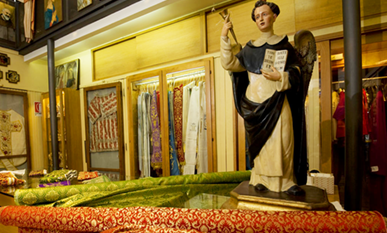
Sul sito serpone.it trovi un'amplissima scelta di prodotti.
Se hai mai visitato i nostri punti vendita di Roma o di Napoli, o se hai consultato uno dei nostri cataloghi, ne hai avuto prova.
E tutti i giorni ne aggiungiamo di nuovi.
Naviga tra i reparti del sito, anche solo per curiosità.
Torna spesso, troverai sempre qualcosa in più.
E poi, qualsiasi cosa sia, la spediamo in tutto il mondo:
Utilizziamo i corrieri internazionali più conosciuti e sicuri e la spedizione include assicurazione contro rotture o smarrimenti.
Destinazione in Italia: per 100,00 € di spesa:
SPEDIZIONE GRATUITA!
(per acquisti inferiori, contributo fisso di 20,00 €)
Destinazione fuori Italia: il costo è calcolato automaticamente nel carrello a secondo dei prodotti e del paese di destinazione. Se questo costo fosse troppo alto, contattaci: cercheremo una spedizione più conveniente!
Acquista online, e riceverai punti fedeltà che potrai utilizzare per pagare successivi acquisti:
Per offrirti una migliore esperienza questo sito utilizza cookie. Continuando la navigazione acconsenti all’utilizzo dei cookie. Per saperne di più consulta la nostra Cookie Policy


 I Punti Fedeltà saranno visibili nel tuo account dopo che l’ordine sarà spedito.
 Vuoi fare un regalo e non conosci i gusti o le necessità di chi deve riceverlo?