Poorukal — Malayalee Mulakal
The poorukal are also an integral part of Kerala's folk traditions, where they are often used in traditional dances and performances. The "Kavadiyattam," a traditional dance form from Kerala, is a prime example of the use of poorukal in folk traditions. In this dance form, performers wield poorukal to the rhythm of traditional music, creating a mesmerizing display of skill and artistry.
The origins of Malayalee mulakal poorukal date back to the ancient times when the region was a major hub of trade and commerce. The art of warfare and self-defense was essential for the people of Kerala, who were constantly threatened by external invasions and attacks. The poorukal, which were initially made from simple wooden sticks, evolved over time to become an integral part of the traditional Kerala martial arts. malayalee mulakal poorukal
As we move forward in modern times, it is essential to preserve and promote the traditional arts and crafts of our ancestors. The poorukal of Malayalee mulakal are a vital part of our cultural heritage, and it is our responsibility to ensure that they continue to thrive and evolve for generations to come. Whether as a form of traditional sports, martial arts, or self-defense, the poorukal of Malayalee mulakal are sure to remain an integral part of Kerala's cultural landscape. The poorukal are also an integral part of
The poorukal have also gained popularity as a form of self-defense, with many people recognizing the importance of learning traditional martial arts and self-defense techniques. The poorukal are an effective tool for self-defense, as they are lightweight, easy to handle, and require minimal training. The origins of Malayalee mulakal poorukal date back
The art of making poorukal is a highly specialized craft that has been passed down through generations of skilled artisans. The process of making poorukal involves selecting the right type of wood, cutting and shaping it to the desired form, and finally, adding the finishing touches. The poorukal are typically made from hardwoods such as "Vesi" and "Kurundu," which are known for their durability and strength.
The poorukal of Malayalee mulakal hold a significant place in the cultural heritage of Kerala. They are not only a symbol of the region's martial prowess but also a reflection of its rich cultural traditions. The poorukal are often used in traditional Kerala festivals and celebrations, such as the "Thrissur Pooram" and the "Attakalam Padi," where they are wielded by trained performers as a display of skill and agility.
In modern times, the poorukal of Malayalee mulakal have gained a new lease of life, thanks to the efforts of cultural enthusiasts and martial arts practitioners. The poorukal are now being promoted as a form of traditional sports and martial arts, with many clubs and organizations offering training and coaching in the use of poorukal.
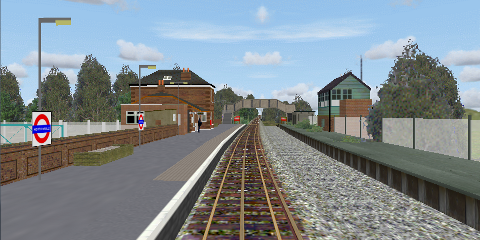
LU Central Line, Epping--Ongar
Description:
LU Central Line, the Epping--Ongar branch. This rural part of London's subway network was closed for traffic in 1994. Well-made route with many details.
Alt.:
Epping-Ongar
Stations:
4
Stops:
2
Known problems:
Download from:
The hosting website
London Underground OpenBVE / BVE 4 archive page
has disappeared from the Internet.
To download from this website:
N/A for the moment. Request to host the route sent to the creator.
Last update of this directory entry:
2023-Jun-27


 © Patrick Norqvist