Lifepornstoriesnikivagginistory5gameofth <TRUSTED SECRETS>
Streaming giants like Netflix, Spotify, and YouTube have trained a global audience to expect immediacy and autonomy. The consequence? "Binge-watching" became a cultural norm, and the traditional appointment-viewing (e.g., "Must-see TV Thursday") has become a niche behavior. According to recent industry reports, over 70% of consumers now prefer ad-supported or subscription-based on-demand services over live television.
We are living through the most significant paradigm shift in media history. This article explores the current landscape of entertainment and media content, examining the technological drivers, changing consumer behaviors, and the fierce battle for your attention and wallet. The single most disruptive force in this sector has been the shift from linear to on-demand consumption. Traditional entertainment—broadcast TV schedules, radio time slots, theatrical releases—forced consumers to adapt to the producer's calendar. Modern media content has inverted that relationship. lifepornstoriesnikivagginistory5gameofth
The short-form video is not merely a clip; it is a new language. It relies on rapid cuts, text overlays, trending audio, and immediate emotional payoff. This format has proven so addictive that it is forcing legacy media to adapt. News outlets now produce "vertical video" summaries. Movie studios use TikTok challenges to market films. Musicians release 15-second hooks before the full track to drive streaming numbers. Streaming giants like Netflix, Spotify, and YouTube have
Furthermore, the barrier to entry for creators has collapsed. User-generated content (UGC) now competes head-to-head with professional studios. A teenager reviewing a horror movie from their bedroom can generate more engagement than a professionally produced late-night talk show segment. This democratization has diversified the voices within entertainment and media content, but it has also created challenges regarding misinformation, copyright, and content moderation. It is no longer accurate to separate "video games" from "entertainment and media content." Gaming has become the highest-grossing sector of the media industry, surpassing movies and music combined. According to recent industry reports, over 70% of
This migration has also birthed the . Households are replacing $100+ cable bundles with a la carte streaming subscriptions (SVOD). The irony, however, is that the market has now fragmented. Consumers are subscribing to an average of four to five different platforms (Disney+, Max, Amazon Prime, Apple TV+, Peacock) to access the entertainment and media content they want, leading to the next phenomenon: subscription fatigue . The Rise of Short-Form and User-Generated Content While Hollywood produces multi-million dollar blockbusters, the most consumed entertainment and media content on the planet is actually created on a smartphone. Platforms like TikTok, Instagram Reels, and YouTube Shorts have rewritten the rules of narrative.
Consumers are overwhelmed. They don't want 1,000 movies; they want one movie that they will love. They don't want 80 million songs; they want the algorithm or the human DJ who plays the right track at the right time.

Lifepornstoriesnikivagginistory5gameofth
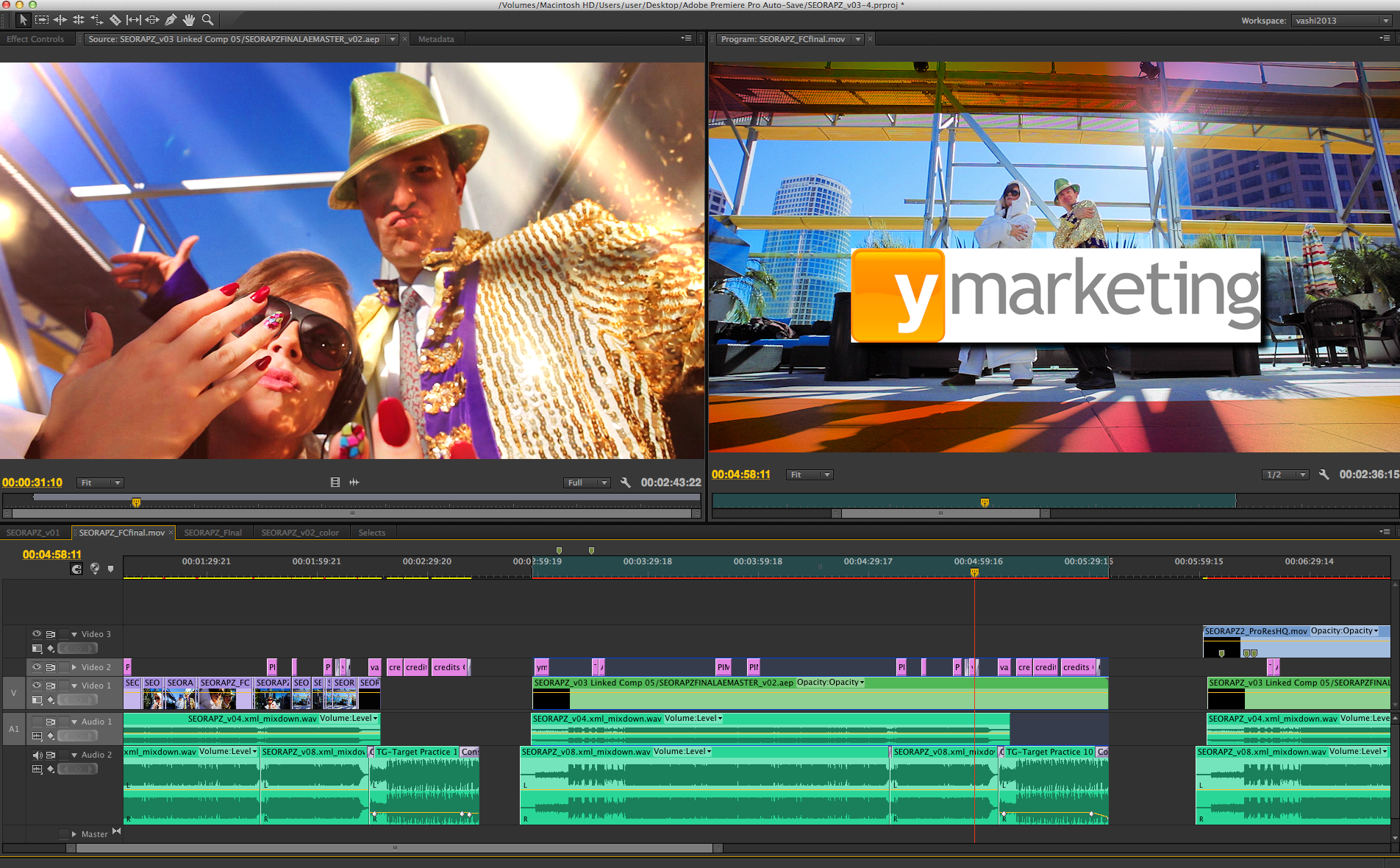
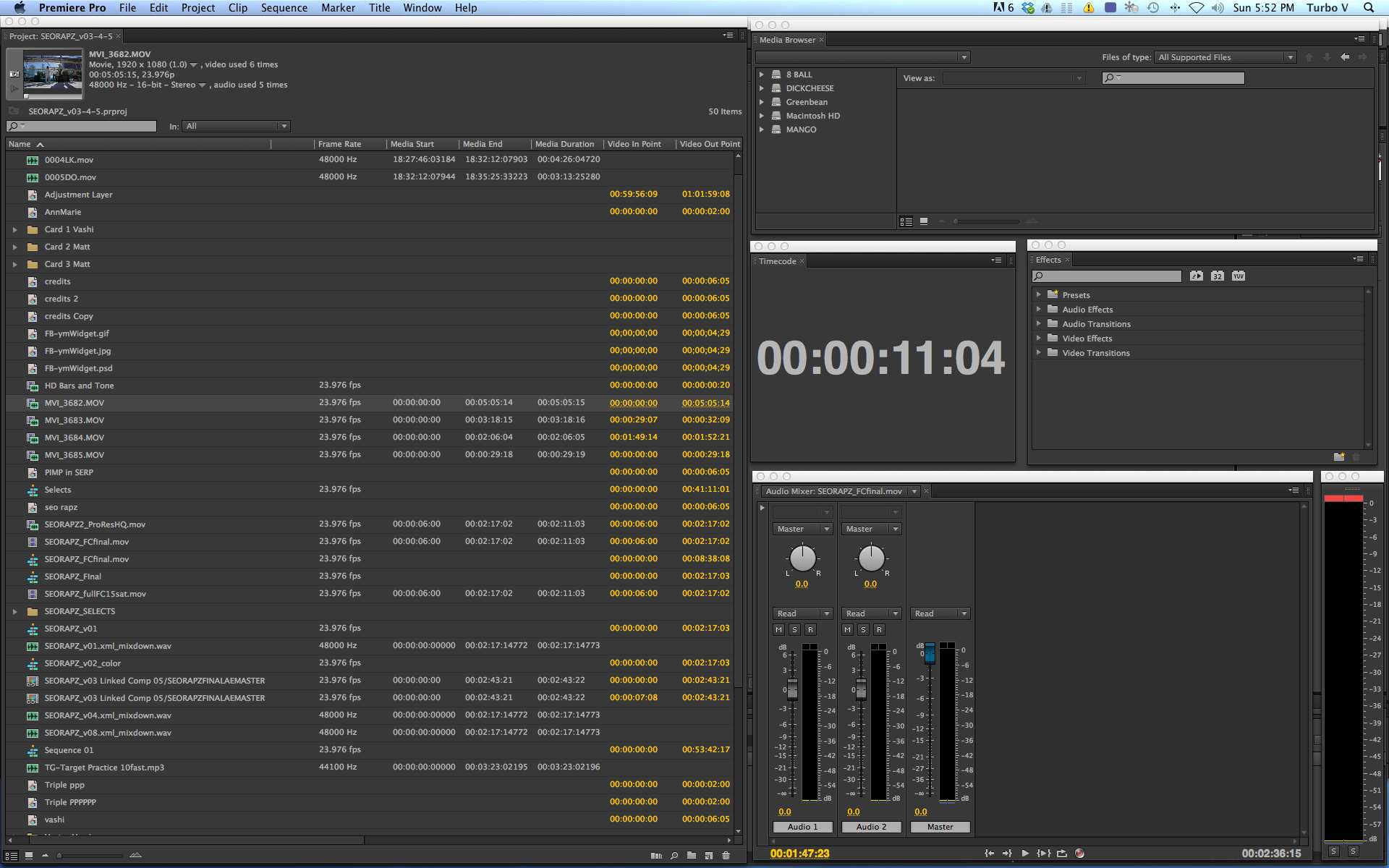
Lookin good! Cant wait to mess around w it. Music video looks good as well. Thanks for sharing as always, Vashi
This is fantastic and I can’t wait. I love how Pancake Timeline has been integrated into the UI and more. Definitely move faster thanks to that technique. Can’t wait to see more of what you have to share. You are one of the biggest influences for using Premiere Pro in big projects.