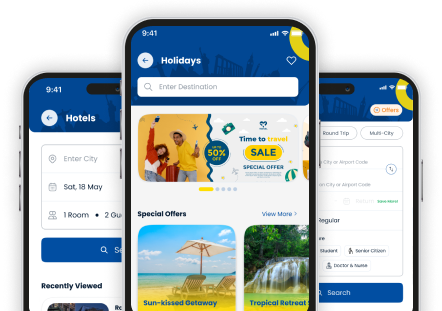



Get Thomas Cook App for
deals on flights, Stay & activities
Download the App Now
We use cookies to improve your website experience and provide more personalized services to you, both on this website and through other media. By continuing to use this website, you agree to our use of cookies as explained in our Cookie Policy. Please read our Cookie Policy for more information on how we use cookies and how you can disable them.
I understandBy prioritizing diversity, authenticity, and interactivity, entertainment and media content can resonate with 18-year-olds, providing engaging, relevant, and meaningful experiences that reflect their lives and interests. As we look to the future, one thing is clear: the entertainment and media industry must adapt to the changing needs and preferences of young adults, or risk being left behind. We will also discuss the impact of digital
In this article, we will explore the current state of 18-year-old entertainment and media content, examining the trends, challenges, and opportunities that define this space. We will also discuss the impact of digital media on this demographic, the rise of new formats and platforms, and the future of entertainment and media content for 18-year-olds.
The world of entertainment and media has undergone a significant transformation over the years, particularly when it comes to content targeting 18-year-olds. This demographic, often referred to as young adults or Gen Z, has grown up in a rapidly changing media landscape, shaped by technological advancements, shifting societal values, and evolving consumer behaviors.
The media landscape has changed dramatically over the past two decades, with the proliferation of digital technologies, social media, and streaming services. For 18-year-olds, this has meant a fundamental shift in how they consume entertainment and media content.
Gone are the days of traditional television and radio as the primary sources of entertainment. Today, young adults have access to a vast array of content across multiple platforms, including social media, streaming services, online gaming, and podcasts. This has created a highly fragmented and competitive market, with numerous players vying for the attention of 18-year-olds.
The world of 18-year-old entertainment and media content is complex and multifaceted, shaped by technological advancements, shifting societal values, and evolving consumer behaviors. As the media landscape continues to evolve, it's essential for content creators, platforms, and businesses to stay ahead of the curve, understanding the trends, challenges, and opportunities that define this space.
Fill in the email Address that you used to register or book with Thomascook. The media landscape has changed dramatically over the
We will reset and send your new password.
Please enter the valid email address
Your request for new password has been accepted.
The new password would be emailed to the registered email address, if not registered please do the same
By prioritizing diversity, authenticity, and interactivity, entertainment and media content can resonate with 18-year-olds, providing engaging, relevant, and meaningful experiences that reflect their lives and interests. As we look to the future, one thing is clear: the entertainment and media industry must adapt to the changing needs and preferences of young adults, or risk being left behind.
In this article, we will explore the current state of 18-year-old entertainment and media content, examining the trends, challenges, and opportunities that define this space. We will also discuss the impact of digital media on this demographic, the rise of new formats and platforms, and the future of entertainment and media content for 18-year-olds.
The world of entertainment and media has undergone a significant transformation over the years, particularly when it comes to content targeting 18-year-olds. This demographic, often referred to as young adults or Gen Z, has grown up in a rapidly changing media landscape, shaped by technological advancements, shifting societal values, and evolving consumer behaviors.
The media landscape has changed dramatically over the past two decades, with the proliferation of digital technologies, social media, and streaming services. For 18-year-olds, this has meant a fundamental shift in how they consume entertainment and media content.
Gone are the days of traditional television and radio as the primary sources of entertainment. Today, young adults have access to a vast array of content across multiple platforms, including social media, streaming services, online gaming, and podcasts. This has created a highly fragmented and competitive market, with numerous players vying for the attention of 18-year-olds.
The world of 18-year-old entertainment and media content is complex and multifaceted, shaped by technological advancements, shifting societal values, and evolving consumer behaviors. As the media landscape continues to evolve, it's essential for content creators, platforms, and businesses to stay ahead of the curve, understanding the trends, challenges, and opportunities that define this space.